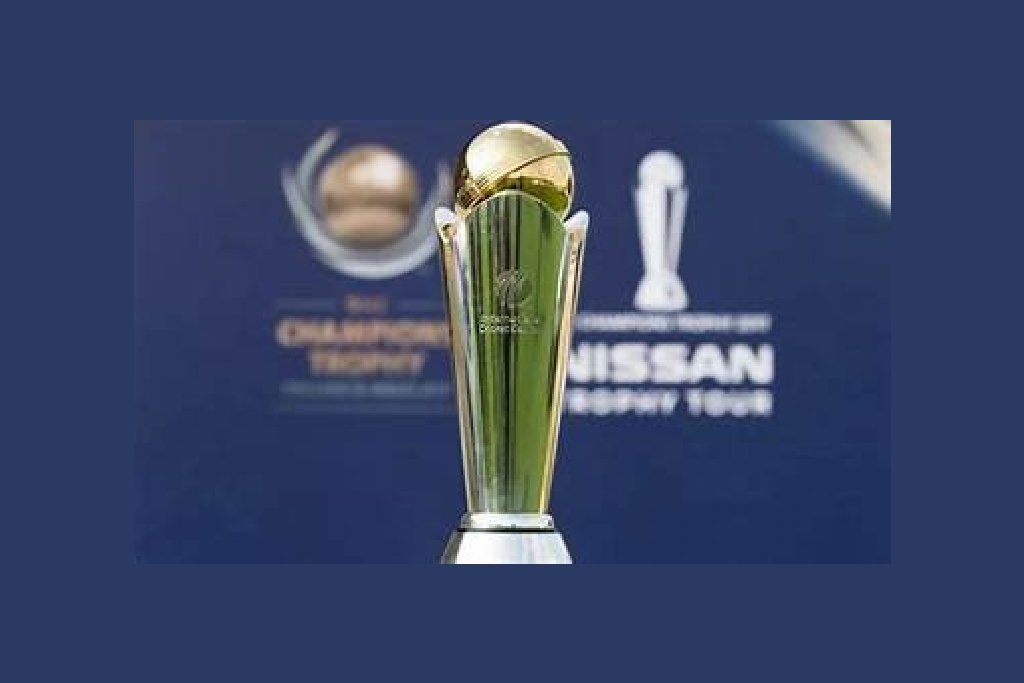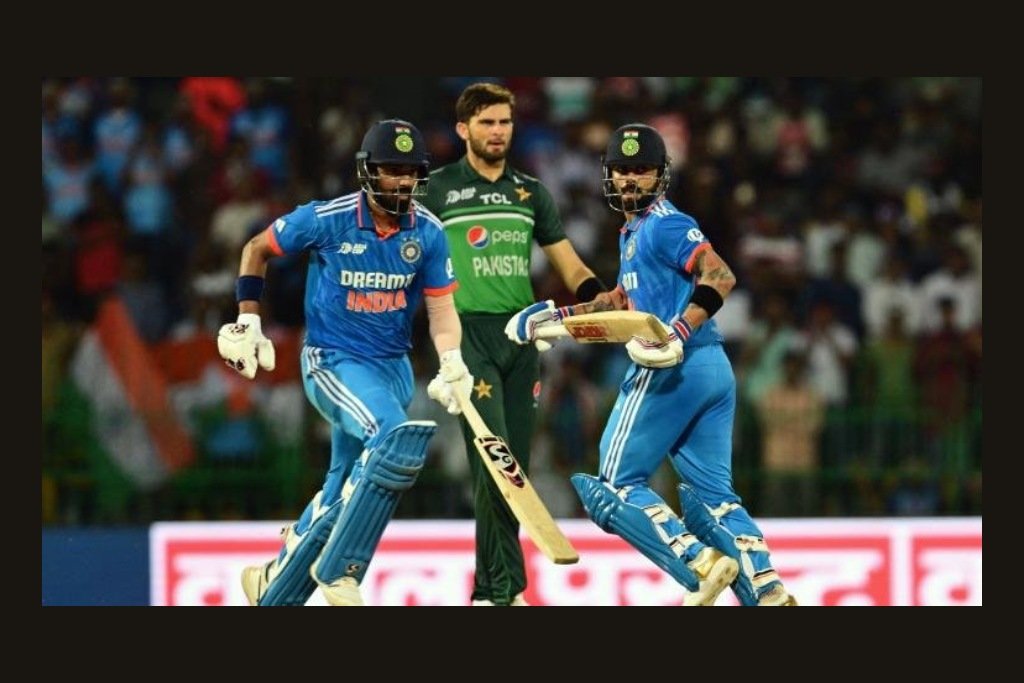
After initially threatening to boycott the ICC Champions Trophy 2025, the Pakistan Cricket Board (PCB) has softened its stance.
The PCB is now willing to accept a hybrid hosting model for the tournament. However, this decision comes with conditions—Pakistan wants the hybrid model to be implemented for ICC events held in India through 2031, ensuring that Pakistan does not need to travel to India for matches.
This shift marks a significant compromise from the PCB, which had previously taken a firm position demanding full hosting rights for the Champions Trophy and rejecting neutral venues.
What are the PCB’s additional demands?
According to PCB sources, the board has also requested a greater share in the ICC’s revenue distribution cycle as part of its agreement to the hybrid model. The PCB is currently allocated 5.75% of the total revenue and is pushing for an increase.
In addition, the PCB clarified that its stance is not tied to extra hosting fees. Instead, the board is demanding a consistent policy for future ICC events, particularly the three major tournaments India is set to host:
- 2026 T20 World Cup (jointly with Sri Lanka)
- 2029 Champions Trophy (entirely in India)
- 2031 ODI World Cup (jointly with Bangladesh).
Under this arrangement, Pakistan’s matches in these tournaments would also be played at neutral venues.
What challenges does the ICC face?
The ICC is under pressure to resolve the situation quickly, especially as the schedule for the Champions Trophy 2025 has been delayed. A hybrid model could potentially set a precedent for future tournaments.
The ICC has reportedly told the PCB to either accept the hybrid arrangement or face exclusion from the tournament.
What lies ahead?
With the ICC yet to reach a final agreement, the next few days will be critical. The PCB’s conditional acceptance of the hybrid model might offer a way forward, but whether this compromise will lead to long-term resolutions remains to be seen.